Wondering “Modular Home vs. Prefab Home: Are They the Same?” Texas Modular Cabins helps landowners understand the difference and choose spacious, residential-quality modular cabins in Texas for ranch land, retreats, guest lodging, or full-time living.
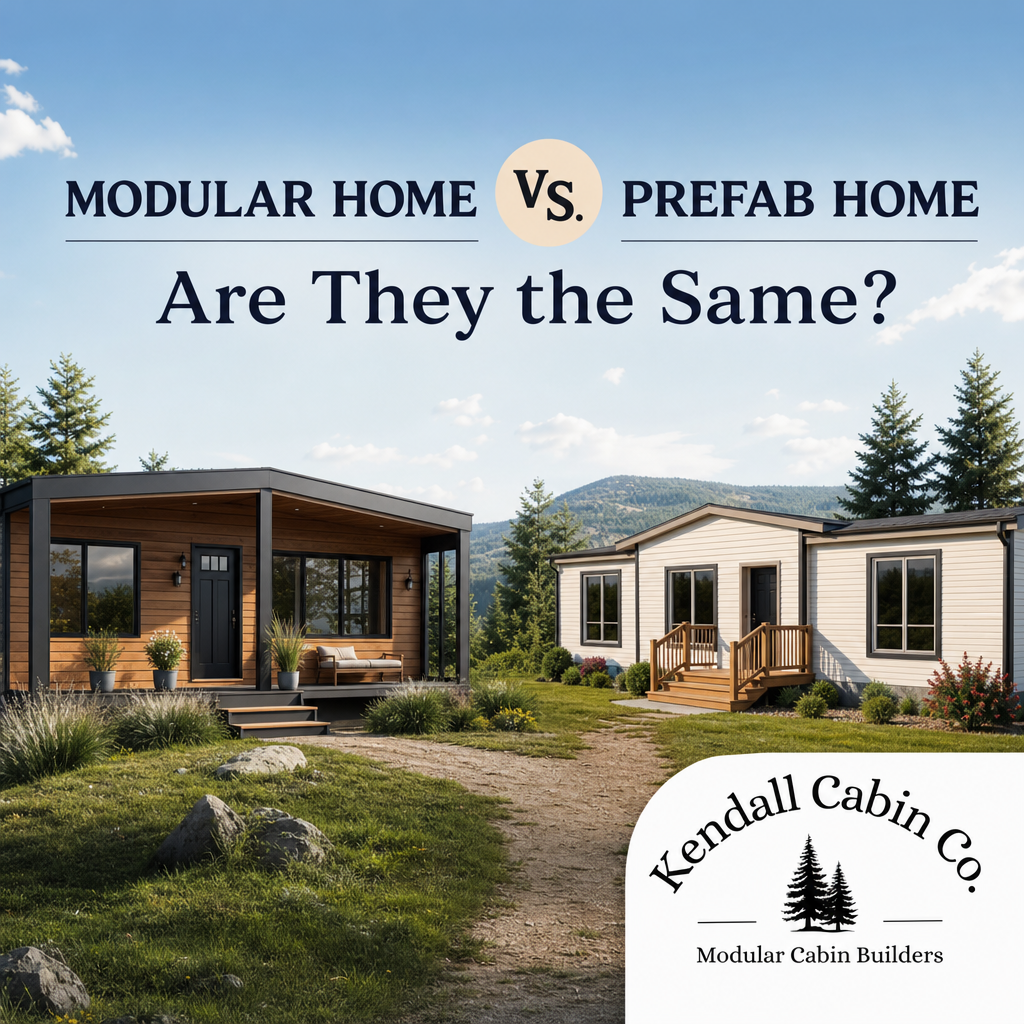
If you are comparing a modular home and a prefab home, the short answer is this: modular homes are a type of prefab home, but not every prefab home is modular. “Prefab” simply means that some or all of the structure is built off-site before being delivered to the property. Modular construction is more specific. It refers to a home or cabin built in finished sections, transported to the site, set on a prepared foundation or pad, and completed for real residential use.
Modular Home vs. Prefab Home Meaning for Texas Landowners
A prefab home is any structure that is prefabricated away from the property. That can include modular homes, panelized homes, kit cabins, tiny homes, manufactured homes, and some RV-style structures. Because the word is broad, buyers can easily compare options that are not built to the same standards.
A modular home, by contrast, is usually built in sections under controlled construction conditions, using residential materials, code-driven methods, and a delivery process planned before construction is complete. For Texas landowners, that distinction matters because your cabin may need to serve as a weekend house, guest residence, ranch headquarters, lake getaway, or full-time home.
At Texas Modular Cabins, our focus is custom modular cabins in Texas built south of DFW and delivered around the state. The goal is not just to place a structure on your land. It is to provide a comfortable, well-built cabin with residential quality, efficient construction, and a clear path from design to delivery.
Prefab Construction Terms Buyers Often Confuse
The prefab category includes several building methods. Some are designed for speed and lower-cost temporary use, while others are created for long-term residential living. Understanding the language helps you compare accurately.
Common prefab-related terms include:
- Modular homes or modular cabins: built in completed sections off-site, then delivered and set up on your property.
- Panelized homes: wall, floor, or roof panels are built off-site, then assembled on-site.
- Kit cabins: material packages assembled largely on the property, often requiring more local labor.
- Manufactured homes: built to federal HUD standards and transported to the site.
- Park models or RVs: typically designed around recreational or temporary living standards, not full residential building codes.
This is where many buyers get stuck. A listing may say “prefab cabin,” but that does not tell you enough about quality, code compliance, insulation, foundation requirements, utility setup, or long-term durability. When researching Texas modular cabin homes, ask what standard the structure is built to, who performs the work, what materials are used, and how delivery and setup are handled.
How Modular Cabin Homes Are Built Off-Site
A major benefit of modular construction is that much of the work happens in a controlled building location instead of on open land exposed to delays. Weather, remote access, subcontractor scheduling, and material staging can slow traditional construction. Modular building reduces many of those variables because framing, insulation, interior finishes, windows, cabinets, mechanical systems, and fixtures are coordinated before delivery.
Texas Modular Cabins builds custom modular cabins south of DFW and delivers them across Texas. While your cabin is being built, you can work on your land preparation, utility planning, driveway access, and pad or foundation. That overlap is one reason modular construction can feel more predictable than a fully site-built cabin.
Our flagship Connie Ranch House is a strong example. It ranges from 768 to 1,020 square feet and includes two bedrooms, two bathrooms with laundry, 12-foot vaulted ceilings, an oversized kitchen and living area, front and back doors, and an optional storage or sleeping loft. It is designed for everyday living, not just occasional shelter.
Modular Cabins Compared to Manufactured Homes, Mobile Homes, and RVs
Many buyers search “modular home vs manufactured home” or “modular cabin vs mobile home” because the terms are often used interchangeably. They are not the same. Manufactured homes are built to HUD standards. Mobile home is an older term still used by many buyers. RVs and park models are generally built for recreational use. Modular cabins, when built to residential standards, follow a different construction path.
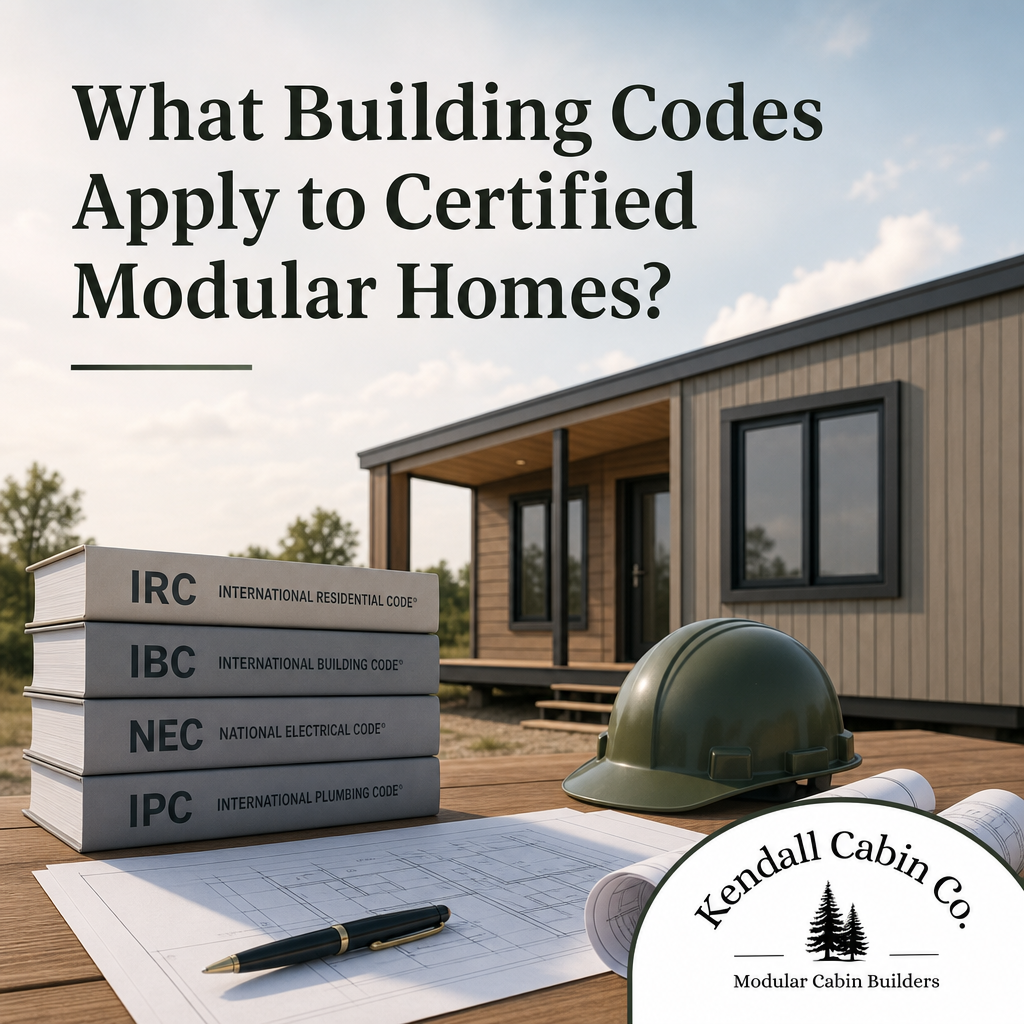
Texas Modular Cabins builds the Connie Ranch House to exceed International Building Code, with true residential standards rather than mobile home or RV standards. That difference affects framing, insulation, mechanical systems, windows, moisture protection, anchoring, and overall long-term use.
This does not mean one housing type is right for every buyer. Manufactured homes and RVs can serve specific needs. But if your goal is a high-quality cabin for a ranch property, lake lot, guest house, weekend retreat, or full-time residence, a residential-grade modular cabin may better match the expectations you have for comfort, finish quality, energy performance, and durability.
Site Preparation, Foundation Options, and Delivery Across Texas
One of the biggest advantages of modular cabins in Texas is that the process can be planned in clear stages. Before delivery, buyers should think about access, site levelness, utilities, drainage, and local requirements. Not every property has the same rules, so it is important to confirm county, city, deed restriction, utility, septic, and permitting needs before assuming a cabin can be placed.
Foundation options can be flexible. For many cabins, a level, firm pad of crushed road base works well. Concrete slabs or footings may be used when preferred or required, but they are not always mandatory. At delivery, cabins are laser leveled and anchored, helping create a stable setup on a properly prepared site.
Delivery is available across Texas, with cabins delivered as far as 1,000 miles from the build facility. Exact delivery details, access requirements, site preparation expectations, and timing are confirmed during the purchase process. Typical lead times are often two to four months from deposit, but the actual timeline depends on the selected plan, customization, production schedule, and delivery coordination.
The Connie Ranch House as a Residential Modular Cabin Plan
The Connie Ranch House is the model Texas Modular Cabins is centered around because it fits the way many Texas landowners actually live. It is large enough for families, guests, ranch weekends, longer stays, and full-time use, yet still benefits from efficient off-site construction and simplified delivery.
Inside, the plan focuses on usable space: an oversized kitchen and living area, two bedrooms, two bathrooms with laundry, and tall vaulted ceilings that keep the cabin open and comfortable. Premium materials include all-wood cabinets, tankless water heaters, heavy-duty plank flooring, double pane E-glass vinyl windows, and ducted mini split A/C.
Energy performance is also part of the design. The Connie Ranch House has a 5-star energy rating with sealed spray foam insulation, moisture barriers on floors and walls, and efficient windows. These details matter in Texas heat, rural locations, and properties where comfort and operating costs are both important.
Before choosing a builder, compare the things that affect daily living and long-term confidence. Start with construction quality and building standards. Ask whether the cabin is built to residential code expectations, what materials are used, who performs the work, and whether licensed experts handle key systems. Texas Modular Cabins uses licensed experts and artist-crafted design details, with cabins built to exceed International Building Code.
Next, compare process clarity. A good modular builder should explain design, customization, deposit, build schedule, site preparation, delivery, leveling, anchoring, utility planning, and final setup. Texas Modular Cabins follows a straightforward turnkey process: design and customize, build while you prepare your site, then deliver and set up. Buyers also have direct access to the owner from design through delivery.
Also review customization, lead times, financing options, and long-term durability. Standard plans may fit many properties, but full customization is available when buyers need a different layout or feature set. Financing options may be available through lenders depending on buyer qualifications and project details, but approval is never something a builder should promise. The right builder should help you ask the right questions, plan realistically, and avoid surprises.
If You’re Looking for a Clear Answer on Modular vs. Prefab Homes in Texas
If you’re looking for a better way to compare prefab options, remember this: prefab is the broad category, while modular is a specific construction method. The real question is not just what the cabin is called. The real question is how it is built, what standards it meets, how it will be delivered, and whether it fits your Texas property goals.
Texas Modular Cabins helps landowners choose Texas modular cabin homes built for ranches, lake properties, retreats, guest lodging, and full-time residences. With the Connie Ranch House, full customization options, statewide delivery, residential-grade construction, and direct access to the owner, the process is designed to be understandable from the first conversation through setup.
If you want a spacious, high-quality modular cabin built in Texas and delivered to your land, Texas Modular Cabins can help you compare options, plan your site, and move forward with confidence.