Trying to compare modular cabin vs. portable cabin options for Texas land and wondering which one gives you a real home, not just temporary space? Texas Modular Cabins helps landowners get spacious, high-quality modular cabin homes built to residential standards and delivered statewide.
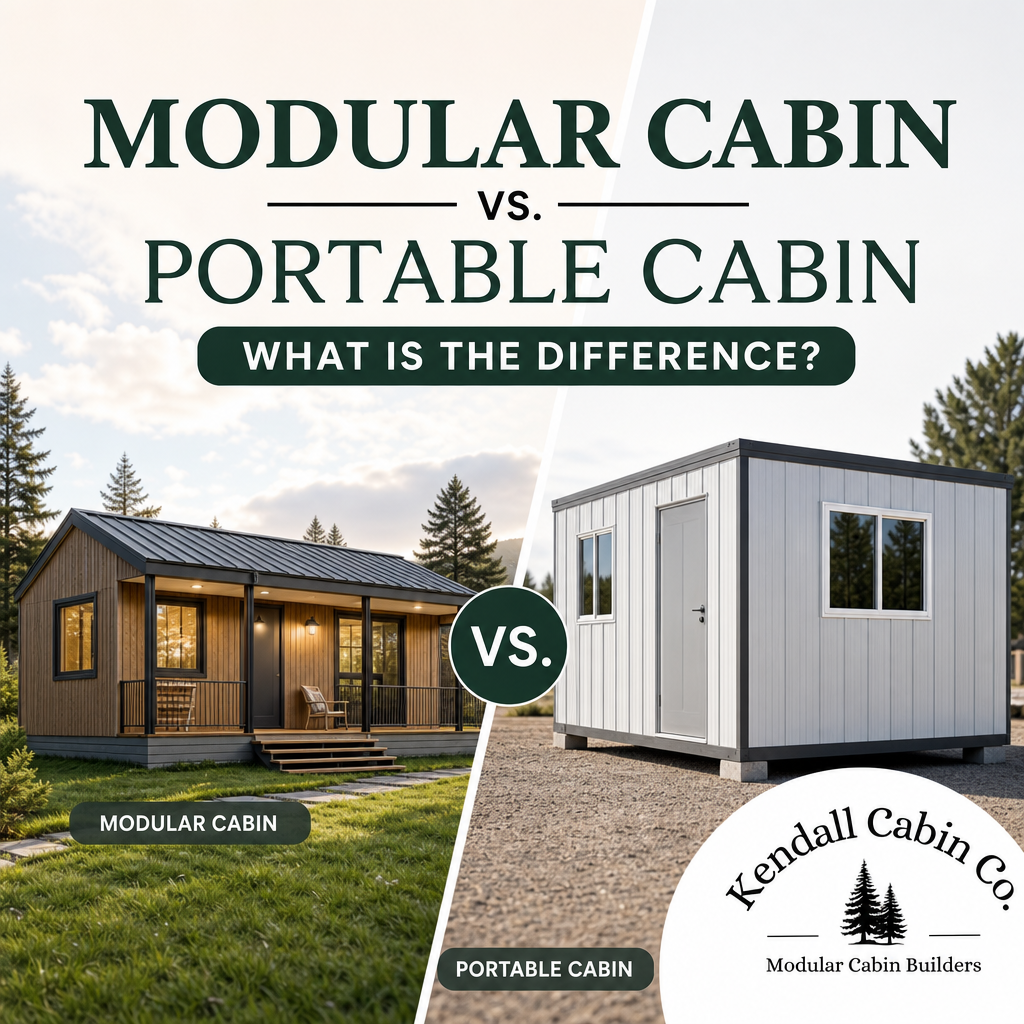
A modular cabin and a portable cabin may look similar at first glance, but they are usually built for different purposes, standards, comfort levels, and long-term uses. If you want a small office, hunting shelter, or temporary bunkhouse, a portable cabin may fit the job. If you want a residential-quality cabin for ranch land, a lake property, a family retreat, guest lodging, or full-time living, a modular cabin is often the better fit. The key is understanding construction standards, size, utilities, comfort, setup, and long-term durability before you buy.
Modular Cabin vs. Portable Cabin: What Texas Landowners Need to Know
A portable cabin is typically designed to be moved more easily and used as flexible space. Depending on the builder, portable cabins may be used for offices, sheds, hunting camps, short-term lodging, or simple weekend shelters. Some are finished nicely, but many are not designed with the same systems, insulation, ceiling height, layout, or code-based residential construction that buyers expect in a true home.
A modular cabin is built off-site in a controlled construction setting, then delivered and installed on your land. The biggest difference is intent: modular cabins in Texas are often designed as real living spaces, not just transportable structures. At Texas Modular Cabins, the Connie Ranch House is built to exceed International Building Code, with residential materials, licensed expert work, and features intended for everyday comfort.
That distinction matters when you plan to sleep there regularly, connect full utilities, host family, use it as a guest house, or live in it full time. A cabin that feels fine for a weekend may not perform the same during a Texas summer, a cold front, or years of steady use.
How Are Modular Cabin Homes Built Compared to Portable Cabins?
Portable cabins can vary widely in construction. Some are simple wood-framed buildings with basic insulation and finishes. Others may include bathrooms, kitchenettes, or upgraded interiors. Because the term “portable cabin” is broad, buyers need to ask detailed questions about framing, insulation, windows, plumbing, HVAC, code compliance, and anchoring.
By comparison, Texas modular cabin homes are built around a planned residential construction process. Texas Modular Cabins builds custom modular cabins south of DFW and delivers around the state. Work is performed by licensed experts, and the cabins include sealed spray foam insulation, moisture barriers on floors and walls, double pane E-glass vinyl windows, heavy-duty plank flooring, all-wood cabinets, ducted mini split A/C, and tankless water heaters.
The Connie Ranch House is the flagship model because it solves a common problem: many buyers want something larger and more livable than a tiny cabin, but faster and more predictable than a site-built house. With 768 to 1,020 square feet, two bedrooms, two bathrooms with laundry, 12-foot vaulted ceilings, an oversized kitchen and living area, front and back doors, and an optional storage or sleeping loft, it is designed for real daily use.
Portable Cabin Uses vs. Modular Cabin Living Space
Portable cabins can be useful when the need is simple. A ranch owner may want a basic place to rest during hunting season, store supplies, or create a detached workspace. A small portable structure can make sense when mobility, minimal setup, and basic shelter are the main priorities.
A modular cabin is a better match when comfort and function matter more. Families often choose custom modular cabins in Texas for weekend properties, ranch headquarters, lake getaways, guest lodging, parent housing, or full-time residences. The layout feels more like a home because it is designed with bedrooms, bathrooms, laundry, kitchens, storage, HVAC, and everyday movement in mind.
The difference becomes clear during longer stays. A larger kitchen, vaulted ceilings, separate sleeping areas, real bathrooms, energy-conscious insulation, and durable finishes all affect how the cabin feels after the first weekend. If several people will use the cabin at once, square footage and layout become just as important as delivery convenience.
Modular Cabins and Portable Cabins: Building Codes, Comfort, and Durability
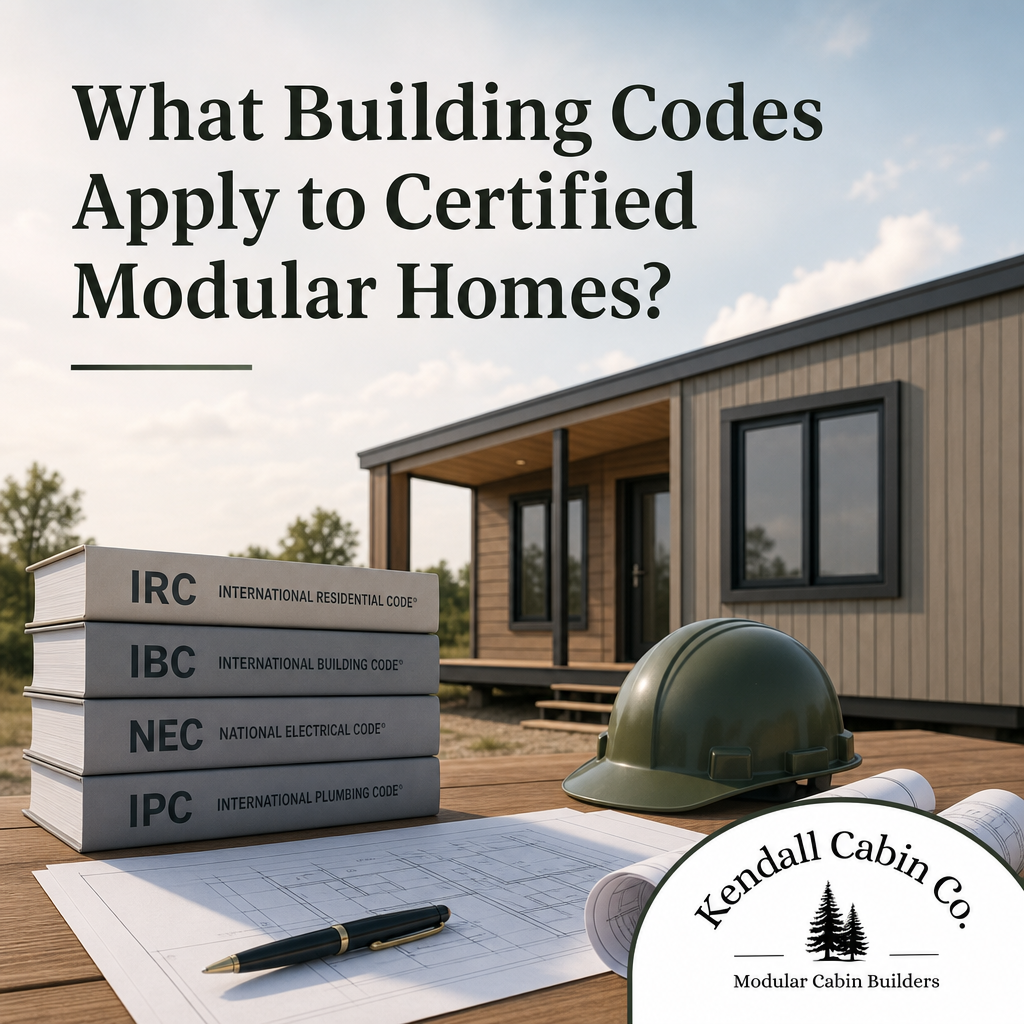
One of the most important questions to ask is what standard the structure is built to. Portable cabins may be built to different standards depending on size, use, and local requirements. Some are not intended to meet residential building codes. That does not make them wrong; it simply means buyers need to match the structure to the intended use and property requirements.
Texas Modular Cabins focuses on modular construction done to residential standards. The Connie Ranch House is built to exceed International Building Code, not mobile home or RV standards. That difference can affect insulation, structural details, window quality, interior comfort, utility systems, and long-term livability.
Energy performance is another major factor in Texas. A 5-star energy rating, sealed spray foam insulation, moisture barriers, double pane windows, and ducted mini split air conditioning help make the cabin more comfortable through heat, humidity, wind, and seasonal temperature swings. Long-term durability starts before delivery, with materials and systems chosen for actual living.
Site Preparation, Foundation Options, and Delivery Across Texas
Another difference between modular and portable cabins is how the structure is placed on the land. A portable cabin may only need a basic level area depending on the use, size, and local rules. Modular cabin homes usually call for more planning because they are larger, heavier, and built for long-term utility connections.
Texas Modular Cabins keeps the site process straightforward. A level, firm pad of crushed road base often works well. Concrete slabs or footings are optional rather than automatically required, depending on the property and buyer preference. At delivery, cabins are laser leveled and anchored. Buyers should also plan access for delivery equipment, proper drainage, utility routes, and any local approvals that may apply.
The process generally looks like this:
- Choose a standard plan or discuss a custom layout
- Confirm features, finishes, delivery details, and timeline
- Place a deposit so construction can begin
- Prepare the site while the cabin is being built
- Coordinate delivery, leveling, anchoring, and setup
- Complete final utility connections as planned
Delivery is available across Texas, and cabins can be delivered as far as 1,000 miles from the build facility. Typical lead times are two to four months from deposit, with exact timelines confirmed at purchase.
What to Compare Before Choosing a Modular or Portable Cabin
Before you choose between a portable cabin and a modular cabin, think about how the structure will be used five or ten years from now. Buyers often begin by looking at size and price, but the more important questions involve construction quality, building standards, comfort, setup, customization, financing options, and long-term durability.
A portable cabin may be the right fit for basic, occasional, or temporary use. A modular cabin is usually the better path when you want residential function. Ask whether the cabin is built to code-based residential standards, how it differs from mobile or manufactured homes, what insulation is used, what kind of HVAC system is included, how the floor system is protected from moisture, and whether licensed experts handle the work.
Also compare the buying process. With turnkey modular construction, the build happens while you prepare your land, which can reduce many of the delays common with traditional site-built construction. Financing options can vary by buyer, lender, property, and cabin use, so it is wise to discuss available paths early. The right modular builder should explain design choices, site needs, foundation options, expected lead times, delivery access, utility planning, and customization without pressuring you into a model that does not fit your land or goals.
If You’re Looking for a Real Cabin Home on Texas Land
If you’re looking for a cabin that feels like a home rather than a temporary structure, Texas Modular Cabins can help you compare the options clearly and choose the right path for your property. The Connie Ranch House is designed for Texas landowners who want space, comfort, residential standards, and a straightforward process from design through delivery.
Whether you are planning a ranch retreat, lake getaway, guest cabin, family property, or full-time home, Texas Modular Cabins offers statewide delivery, full customization, premium materials, and direct access to the owner throughout the process. When you are ready to compare modular cabin homes with portable cabin options, a consultation can help you understand layouts, site preparation, delivery planning, and the next steps for your land.